TRACER

Overview
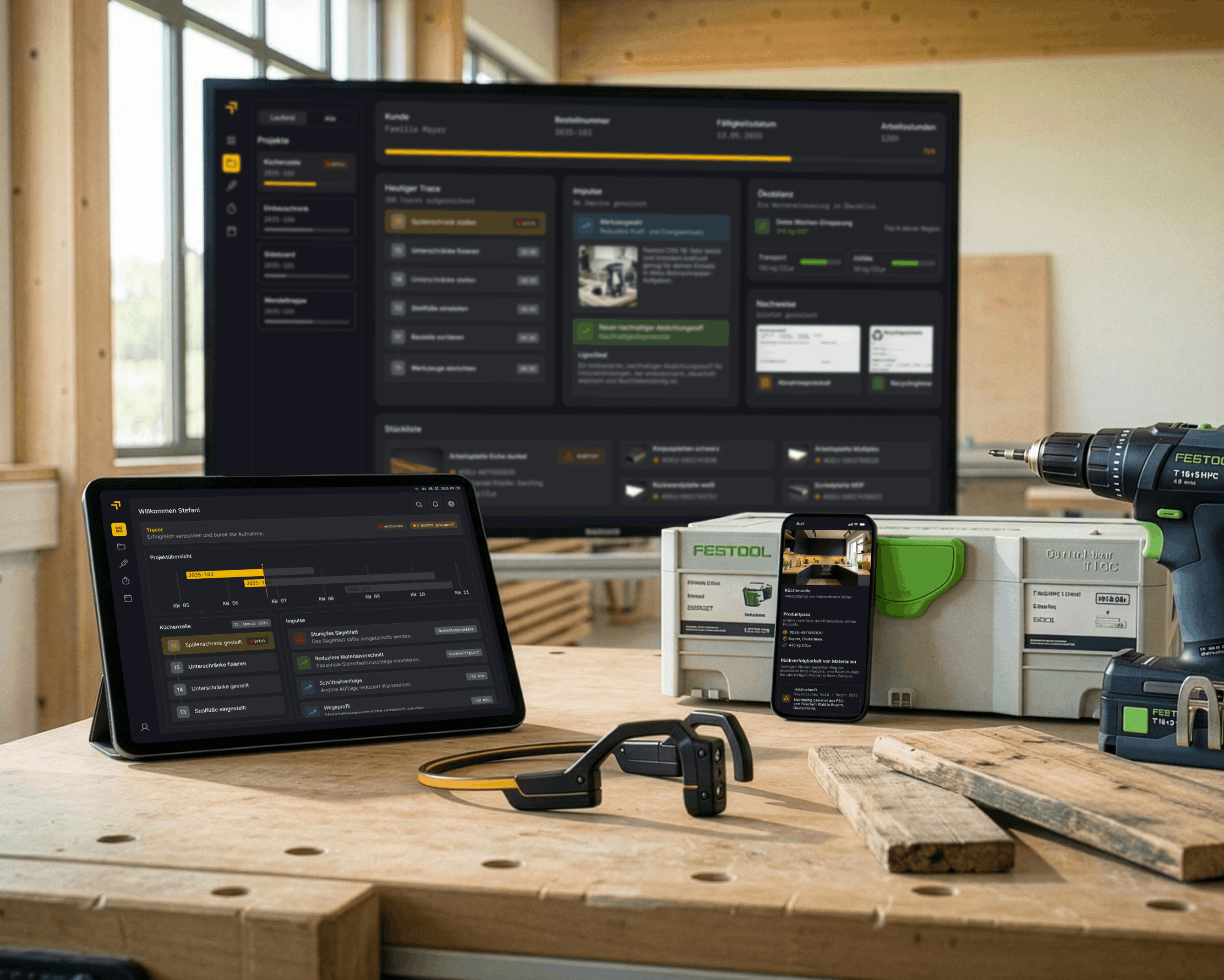
TRACER investigates how circular craft practices can be documented, traced, and made understandable within contemporary design and production contexts. The project explores ways to capture material flows, repair processes, and tacit craft knowledge that often remain invisible in conventional production systems.
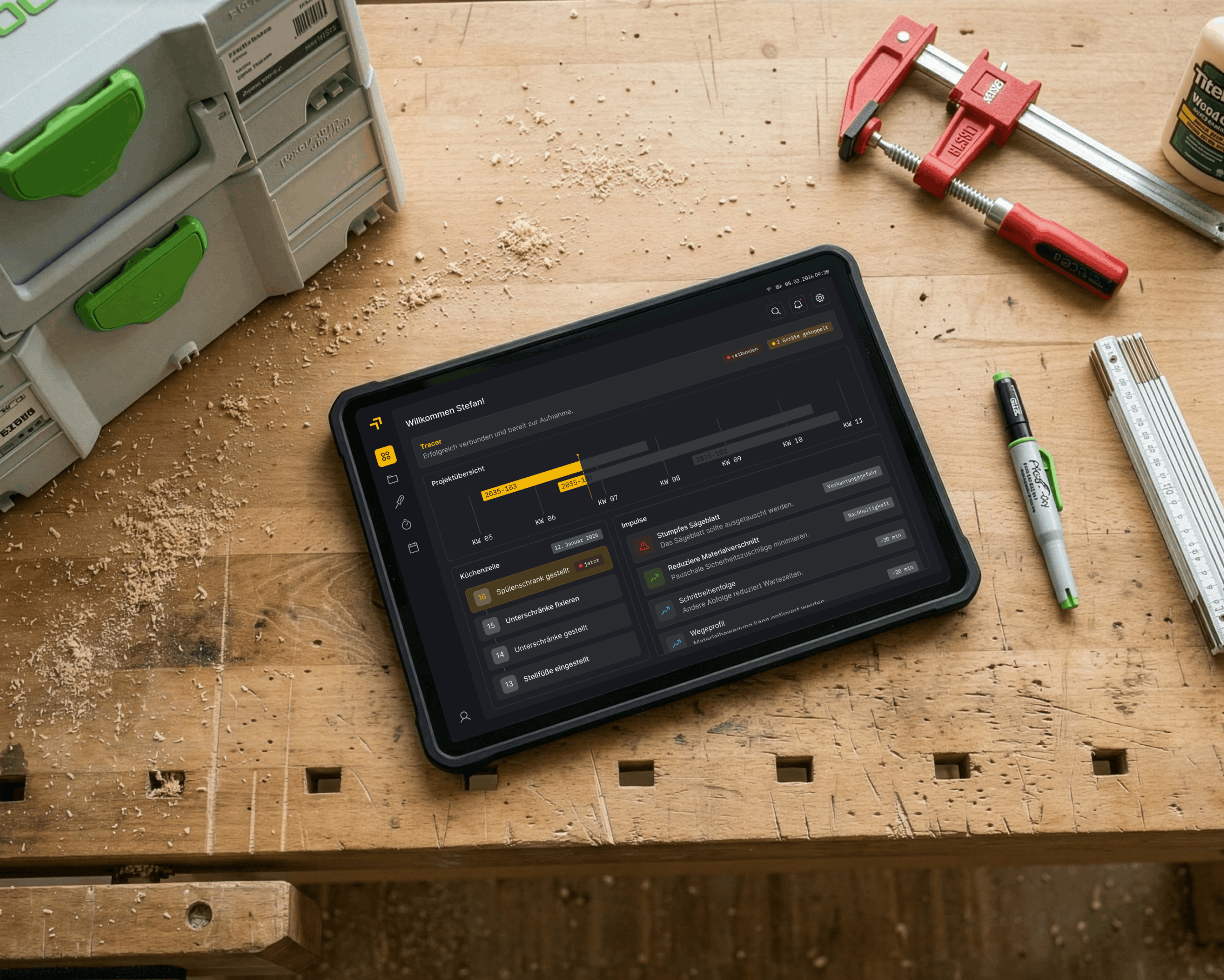
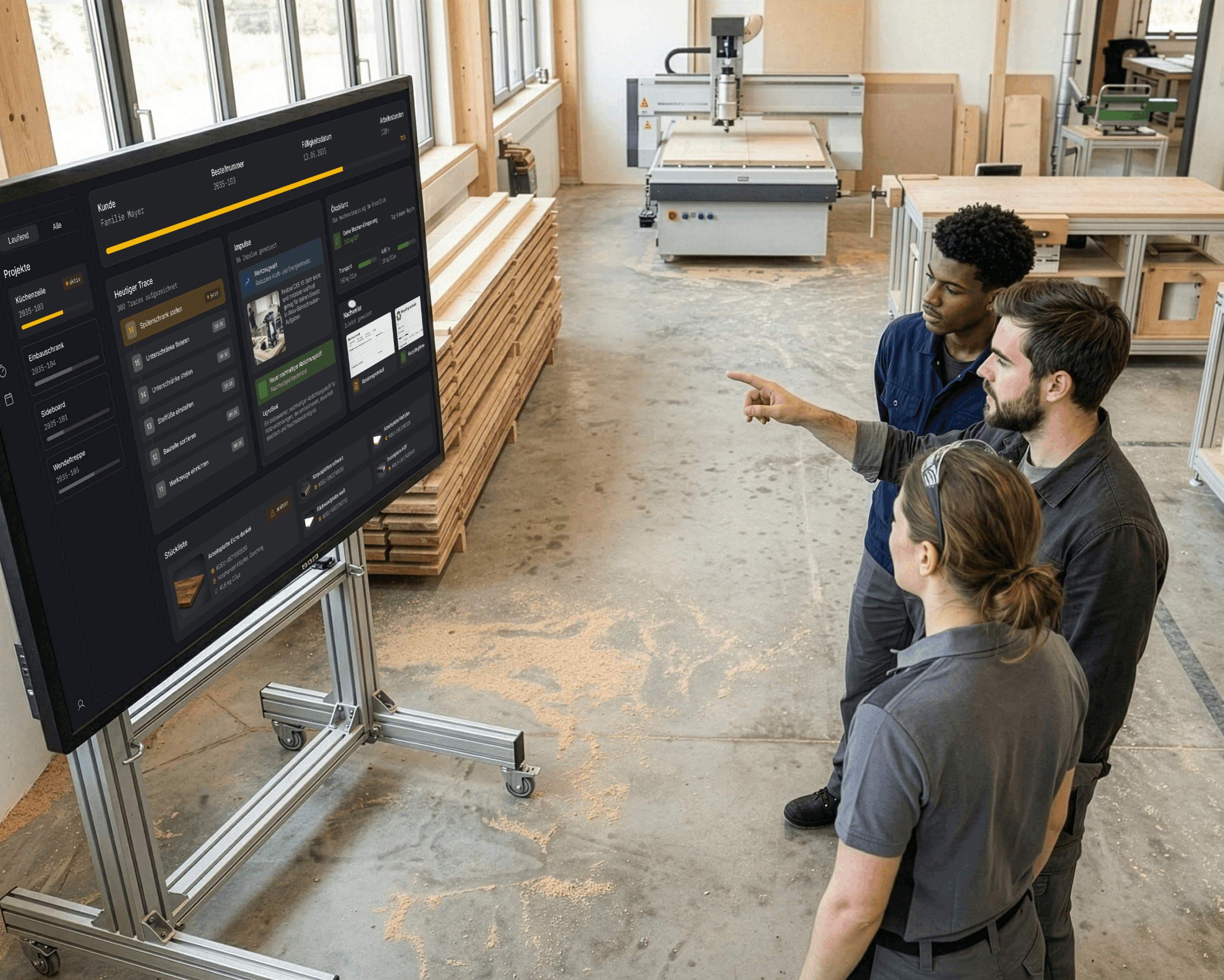
TRACER records how materials are used, maintained, repaired, and reintroduced into cycles of use. These insights are translated into structured visual and analytical formats that make complex craft processes legible for designers, researchers, and stakeholders.
By connecting traditional and contemporary craft practices with circular economy principles, TRACER aims to make craft knowledge accessible and applicable for circular design strategies and more sustainable production systems. The project contributes to a broader understanding of how hands-on knowledge, repair culture, and material awareness can support long-term learning and innovation within circular economies.
How we worked
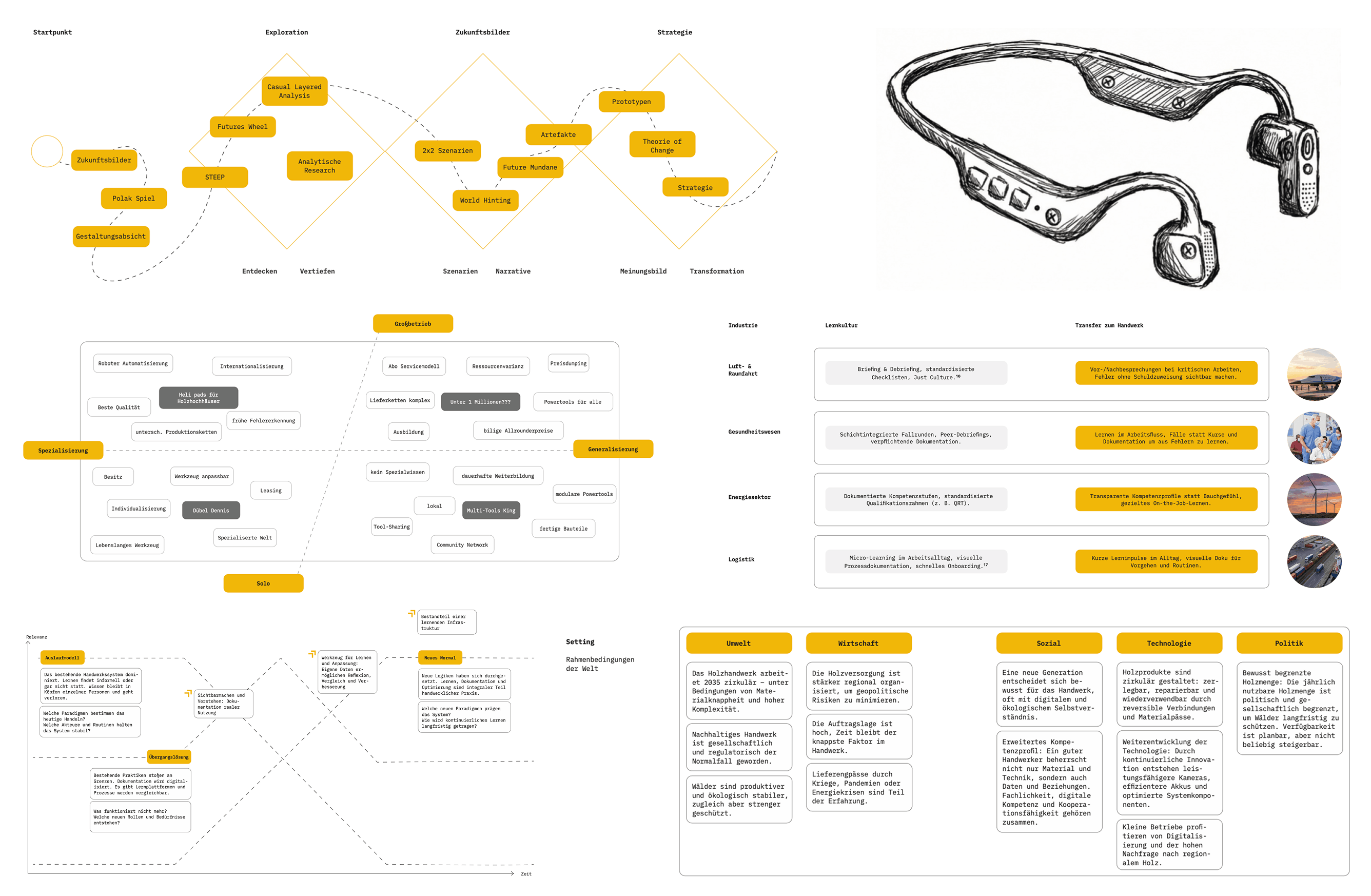
The project followed an analytical and foresight-driven design approach. We conducted qualitative expert interviews with craftspeople and industry stakeholders and applied methods from strategic foresight and design futuring to explore long-term developments in craft, technology, and work practices. Methods included trend analysis, horizon scanning, scenario building, and speculative prototyping. Insights were continuously synthesized and tested through iterative concept development and workshops, including an exchange with Festool, to ground future-oriented ideas in real industry perspectives.